Addressable Fire Alarm SLC Loops: Devices, Modules and Troubleshooting
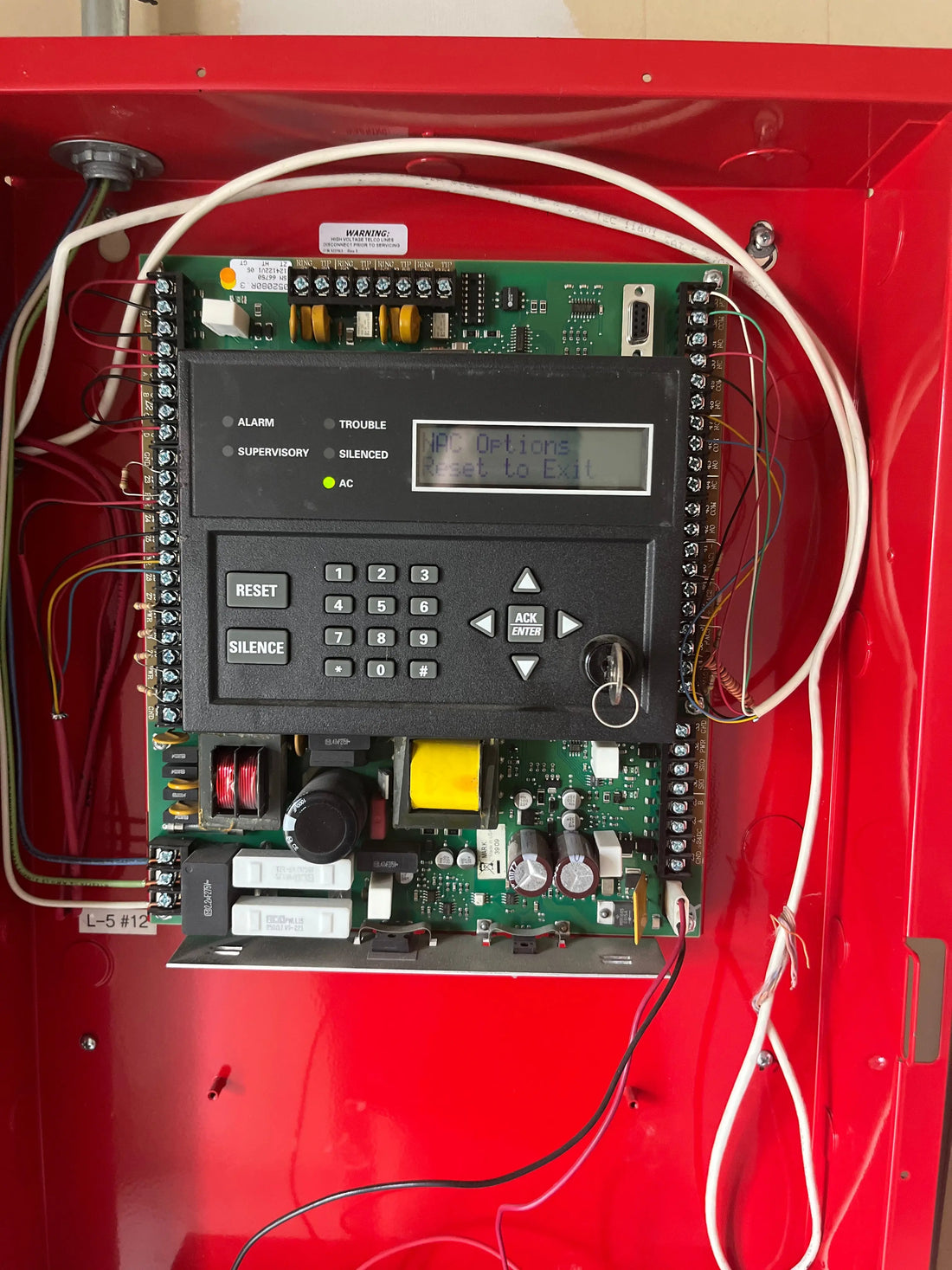
An addressable fire alarm system uses a signaling line circuit, commonly called an SLC, to communicate with compatible detectors, manual stations and interface modules. Because each device has an address and a programmed label, the fire alarm control panel can identify the specific device or location reporting an alarm, supervisory signal or trouble condition.
What an SLC loop does
The SLC carries digital communication between the fire alarm control panel and compatible addressable devices. Depending on the manufacturer and system design, it may also provide device power. The circuit can be arranged in different approved wiring configurations, and larger systems may use multiple SLC loops.
An SLC is different from a notification appliance circuit, or NAC. Horns, strobes and other occupant-notification appliances are normally served by dedicated notification circuits or compatible addressable notification equipment.
Common addressable devices and modules
- Smoke and heat detectors: Report their programmed address and operating condition to the control panel.
- Manual pull stations: Identify the exact station that was activated.
- Monitor modules: Connect conventional contact devices such as sprinkler waterflow switches, valve tamper switches and other supervised inputs to the SLC.
- Control modules: Provide programmed outputs for approved functions such as relay control, equipment shutdown or notification interfaces.
- Duct-detector interfaces: Report duct smoke conditions and may support approved HVAC shutdown functions.
- Short-circuit isolators: Help limit the portion of a properly designed circuit affected by a wiring short.
Not every device is interchangeable. The fire alarm panel, SLC devices, modules and programming must be compatible and used in accordance with the manufacturer's listing and instructions.
Why addressability matters
- Specific location information: The panel can display the programmed device label instead of reporting only a broad conventional zone.
- Better service information: Technicians can identify missing devices, communication failures, dirty-detector indications and other device-specific conditions.
- Expandable design: Compatible devices can be added when the panel has sufficient capacity and the modification is properly designed, documented and approved.
- Event history: Panel logs can help technicians review the order and timing of alarms, supervisory signals and trouble events.
Common SLC trouble conditions
An SLC trouble does not automatically identify the cause. Common possibilities include an open circuit, short circuit, ground fault, duplicate address, missing device, incompatible replacement, damaged wiring or a device that is no longer communicating. Troubleshooting should follow the panel manufacturer's procedures and should be performed by qualified fire alarm personnel.
Replacing a device without confirming its model, address, programming and compatibility can create additional faults. Accurate drawings, device labels and an up-to-date point list make future service much more efficient.
Planning service or system changes
Fire alarm work should account for the system listing, available circuit capacity, voltage and current requirements, required sequence of operations, permit requirements and the authority having jurisdiction. Changes should also be tested and documented before the system is returned to normal service.
For information about local approvals, see our commercial fire alarm permit services. Avenger Security provides fire alarm service, monitoring and system support for commercial facilities across Central Texas.