
How to Fit a Door for Access Control

Proper access control starts with the door / gate. Before choosing a reader, electric strike, electrified lock or motorized exit device, we need to understand the door, frame, existing hardware and intended operation.
Avenger Security Services evaluates complete commercial openings for access control installation in Austin and Central Texas. This guide explains what to send us so we can recommend suitable hardware and prepare a more accurate scope.
Start your door evaluation | See the photo checklist | Explore Brivo access control
Send one set of details for each different door type. If several doors are identical, tell us how many. Unknown answers are welcome; photos and an on-site evaluation help fill the gaps.
Door and frame construction
Two doors that look alike can need different locking hardware. Identify the complete opening before choosing an electric strike or electrified lock.
- Door material: steel, aluminum, wood, glass or another material; solid or hollow construction.
- Frame material: hollow metal, aluminum storefront, wood, masonry or another construction.
- Single door or pair of doors; for a pair, identify the active leaf, inactive leaf, fixed or removable mullion, and any flush bolts.
- Fire-rating labels on the door, frame and existing exit hardware. Photograph legible labels without removing them.
- Exterior or interior location, nearby sidelights and glass, and exposure to rain, direct sun, wind or corrosion.
Door dimensions and hardware preparation
Record dimensions in inches and include photographs with a tape measure. Leave unknown measurements blank; we can confirm them during the site evaluation.
- Door width, height and overall thickness.
- Door and frame material thickness where known; do not drill or dismantle the opening to obtain it.
- Storefront stile width, frame profile and available strike mounting depth.
- Lock backset, existing bore or mortise preparation, strike dimensions, latch location and clearance between the door and frame.
- Hinge dimensions, threshold height and usable clear opening width.
See frame preparation in practice: Our electric strike installation video for an aluminum storefront door shows template layout and cutting for an HES 5000C strike.
Door swing and handing
Describe the swing relative to the secured area and show both sides in photos. A photo is often more useful than guessing a handing abbreviation.
- Does the door swing into or out of the secured area?
- From the outside or unsecured side, are the hinges on the left or right?
- Will the credential reader be on the push side or pull side?
- Is this a required exit, a stairwell door, or part of an accessible route?
Existing locks and desired hardware
Tell us what currently secures the door, what must remain, and what you want replaced. Include manufacturer names and model numbers when available.
- Cylindrical lever, mortise lock, deadbolt or Adams Rite storefront deadlatch.
- Rim, mortise or vertical-rod exit device; panic or fire-exit hardware.
- Existing electric strike, electrified lever or mortise lock, electrified trim, motorized latch retraction or magnetic lock.
- Mechanical key override, existing key system or interchangeable cores to retain.
- Preferred finish, expected daily traffic, abuse exposure and security objectives.
Light-, medium- or heavy-duty hardware
Hardware should match the opening and its expected use. Duty descriptions are a starting point; final selection depends on the manufacturer's rating, listing, compatibility and application.
- Light duty: lower-use interior applications where appropriate.
- Medium duty: regular commercial employee traffic.
- Heavy duty: busy entrances, schools, exterior openings and demanding applications.
- We generally prefer appropriate mechanical hardware with electric strikes, electrified locks or motorized exit devices where the opening permits.
Existing access control and electric locks
Existing equipment may be reusable after its condition, compatibility and installation are verified.
- Access-control platform, reader and controller manufacturer/model; location of controller and power supply.
- Electric lock model, operating voltage, current requirements and fail-safe or fail-secure configuration.
- Door position switch, request-to-exit device, power transfer, existing cable and conduit.
- Battery backup, network connection and fire-alarm interface, if present.
- Which equipment belongs to the owner, tenant, landlord or existing service provider.
Exit, fire-rating and accessibility review
Identify life-safety conditions early so the access-control design preserves the required operation of the opening.
- Building use and occupancy: office, school, healthcare, assisted living, warehouse or another use.
- Exit designation, panic/fire-exit hardware, fire labels, stairwell location and any existing delayed- or controlled-egress arrangement.
- Whether mechanical egress is available without a credential and how the door operates during loss of power.
- Automatic operator, accessible lever hardware, push plates, maneuvering clearance and opening-force concerns.
- Applicable approved plans, landlord requirements and authority-having-jurisdiction conditions.
Door-propped-open and forced-entry monitoring
A door position switch tells the controller whether the door is physically open or closed. Decide whether you want alerts, who should receive them, and what response is expected.
- Door propped open: choose an appropriate time limit before an alert occurs.
- Forced entry: report a monitored opening without an authorized access, egress or unlock event, according to system configuration.
- Request to exit: identify legitimate egress with a switch in the exit device or handle, a motion detector or other suitable input.
- On openings with free mechanical egress, request-to-exit monitoring can suppress false forced-entry events without controlling the mechanical ability to leave.
Door closer, hinges and power transfer
An access-controlled door must close and latch consistently. We assess mechanical operation before selecting electronics.
- Does the closer shut the door completely, and does the latch engage every time?
- Does the door sag, drag, rub the frame, bounce open or require pushing to latch?
- Are hinges, pivots, weather seals or thresholds worn or misaligned? Does wind or pressure affect closure?
- Individual hinges, continuous hinge or pivots; existing concealed power transfer, electrified hinge or door loop.
- Available routing through the frame and door for powered hardware, using an appropriate transfer method.
Building construction, wiring, power and network
The surrounding construction determines how we can route cable and mount the reader, controller and power supply.
- Steel or wood framing, drywall, concrete, CMU/block, masonry, tilt-wall or glass storefront.
- Drop ceiling, hard lid or accessible attic; ceiling height and any lift or restricted-access requirements.
- Existing conduit, cable condition, approximate route length and whether surface raceway is acceptable.
- Nearest security room, IDF/MDF or suitable equipment location; available electrical power and network connection.
- Fire-rated penetrations, outdoor pathways, construction schedule and work by other trades.
Readers, credentials and visitor entry
Describe who will use the door and how you want to manage access.
- Reader mounting surface, storefront mullion width, weather exposure and accessible location.
- Cards, fobs, mobile credentials, PIN, card or PIN, or card plus PIN; existing credentials to retain.
- Vandal-resistant dual-credential readers for card or code where desired and compatible.
- Business-hours unlock schedules, after-hours access, user count and who administers credentials.
- Video/audio intercom, reception release, remote unlock, visitor credentials and automatic-operator integration.
Door photo checklist
Label photos with the door name or number. Include close-ups with a tape measure where useful, plus a wider view showing the wall and ceiling around the opening.
- Full door from the secured side.
- Full door from the outside or unsecured side.
- Door edge, latch and lock faceplate.
- Frame, strike and existing cutout.
- Existing lock, lever, exit device or crash bar; include model labels.
- Hinges or pivots and any power-transfer device.
- Door closer, threshold and visible alignment problems.
- Reader, electric lock, door contact and request-to-exit device.
- Legible fire-rating labels on the door and frame, if present.
- Surrounding walls, ceiling and proposed wiring route.
Share a photo-folder link in the form below, or email your photos to info@securitytekton.com. You can also text photos to 512-563-5361. Include the project address and door identifier.
Request an access-control door evaluation
Provide what you know about the opening. Fields marked * are required. For multiple door types, describe each in the notes or send separate requests.
Designing the complete opening
A reliable installation coordinates the door, frame, mechanical hardware, electric lock, reader, door-position monitoring, request-to-exit monitoring, power supply, controller and cabling. Final hardware selection also accounts for the opening's fire rating, accessibility, approved design and applicable egress requirements.
Avenger Security supports Austin, Round Rock, Georgetown, Cedar Park, Pflugerville, Hutto and surrounding Central Texas communities. We design and install Brivo cloud-managed access control, electric strikes, motorized exit devices, readers, door monitoring and intercoms.
Request your door evaluation, contact Avenger Security, or call 512-610-2698.
Managed Access Control Blog: Design, Hardware & Compliance
View all-

Brivo ACS300: Two-Door Cloud Access Controller ...
Plan a Brivo ACS300 deployment around its two wired doors, subscription, readers, lock power, door monitoring, network and future expansion.
Brivo ACS300: Two-Door Cloud Access Controller ...
Plan a Brivo ACS300 deployment around its two wired doors, subscription, readers, lock power, door monitoring, network and future expansion.
-
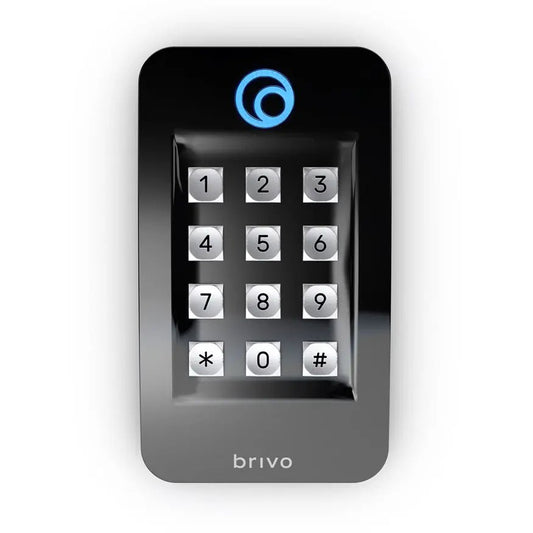
Austin Access Control Door Evaluation: What We ...
Start with a free project-screening call, then use a $195 on-site evaluation when door hardware, wiring, power and life-safety conditions must be documented.
Austin Access Control Door Evaluation: What We ...
Start with a free project-screening call, then use a $195 on-site evaluation when door hardware, wiring, power and life-safety conditions must be documented.
-
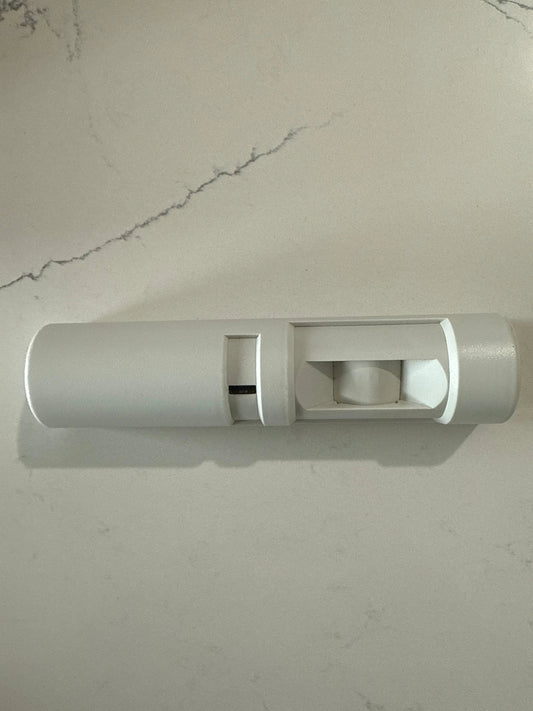
Request-to-Exit (REX) Sensors: What They Do—and...
Learn how REX inputs, door-position switches and free-egress hardware work together—and why a REX sensor should not be mistaken for the door’s only unlocking method.
Request-to-Exit (REX) Sensors: What They Do—and...
Learn how REX inputs, door-position switches and free-egress hardware work together—and why a REX sensor should not be mistaken for the door’s only unlocking method.

Featured Access Control Hardware — Heavy-Duty & Fail-Secure
-
Rosslare 26-Bit 125 kHz EM Clamshell Cards – 25 Pack
Regular price $47.03 USDRegular price -
Brivo B-BUC3-37-SF25 Unified Credential Fobs – 37-Bit, 25-Pack
Regular price $308.00 USDRegular price -
Rosslare AYC-Q64B Proximity + PIN Reader/Controller
Regular price $305.00 USDRegular price -
Altronix SMP3 6/12/24VDC 2.5A Power Supply/Charger
Regular price $32.34 USDRegular price -
Brivo B-BUC3-56-SF25 Unified Credential Fobs – 56-Bit, 25-Pack
Regular price $334.00 USDRegular price -
Brivo B-BUC3-37-SC50 Unified Credential Cards – 37-Bit, 50-Pack
Regular price $465.00 USDRegular price -
Brivo B-BSPSF-B Black OSDP Single-Gang Smart Reader
Regular price $490.00 USDRegular price -
Brivo B-BSPMF-B Black OSDP Mullion Smart Reader
Regular price $375.00 USDRegular price


