Avenger Security designs and services access control for clinics, medical and dental offices, pharmacies, laboratories, outpatient facilities, and shared healthcare suites across Austin and Central Texas. The goal is to support patient flow while limiting staff-only, medication, records, technology, and other restricted areas to authorized people.
Separate public, patient, and staff movement
Healthcare facilities often combine an open reception area with clinical corridors and highly restricted rooms. A practical plan identifies how patients arrive, where visitors may go, which doors staff use, how deliveries are handled, and what changes after normal business hours.
Access control can support those operating policies by assigning permissions to specific people, doors, and schedules. It does not replace staff procedures, privacy practices, cybersecurity, medication controls, licensing requirements, or a facility’s own compliance program.
Clinic areas that may require controlled access
- Staff and after-hours entrances
- Back-office, billing, administration, and records rooms
- IT closets, server rooms, and communications equipment
- Medication, pharmacy, supply, and inventory rooms
- Laboratories, procedure rooms, and provider-only corridors
- Employee lounges, storage rooms, and maintenance areas
- Shared medical suites and landlord-controlled common entrances
- Emergency or specialty areas where the approved workflow requires control
Role-based credentials and useful records
Providers, nurses, clinical staff, pharmacy personnel, administrators, cleaners, vendors, and property-management teams can be assigned different access. Credentials may be limited by door, location, day, time, or expiration date. Departed-user and lost credentials can be disabled without rekeying every opening.
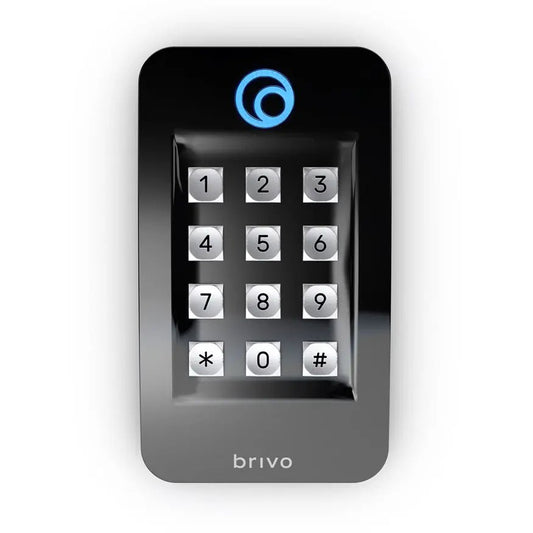
Cards, fobs, PINs, and supported mobile credentials are available depending on the selected platform and reader. Brivo cloud access control requires an active subscription. Hardware, credentials, licensing, integrations, and managed services are quoted to match the facility.
Access history can help authorized personnel investigate a reported event or confirm credential activity. It is an operational record, not proof of identity or a substitute for required clinical and compliance documentation.
Physical safeguards and healthcare compliance
For organizations regulated by the HIPAA Security Rule, facility access controls are one part of the required physical safeguards for electronic information systems and the facilities that house them. The organization must determine which policies and measures are reasonable and appropriate for its risks. Installing an electronic access-control system alone does not make a clinic HIPAA compliant.
Medication rooms, pharmacies, controlled substances, laboratories, and specialty practices can be subject to additional laws, accreditation rules, and internal policies. We provide the physical access-control portion and coordinate with the client’s compliance leadership, design professionals, and authorities when required.
Doors, locks, and life safety
We inspect the opening before adding electronics. A door must close, latch, lock, and allow required egress. Where appropriate, we prefer fail-secure electric strikes, electrified locksets, or motorized latch retraction. Magnetic locks and other special locking arrangements require additional release logic and code review and are not our routine default.
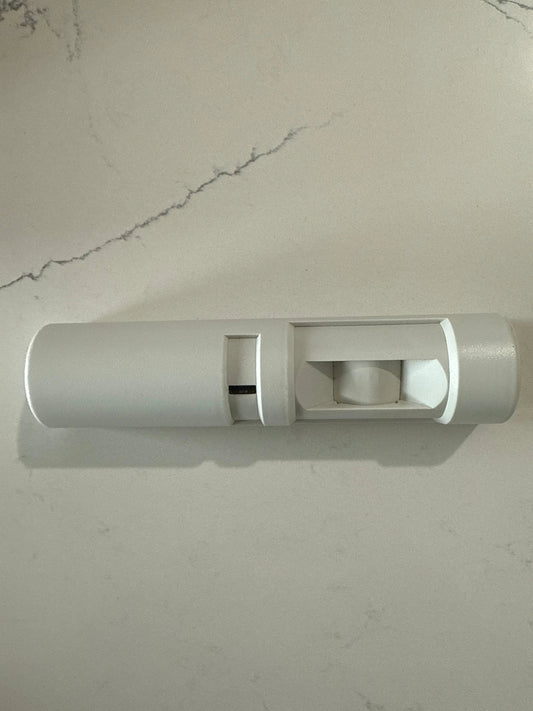
Door-position switches can identify forced-open or held-open conditions. Request-to-exit devices can help process normal exits in the access software, but they are not the sole unlocking method where free mechanical egress is required. Fire-rated openings, accessible operation, delayed egress, fire alarm interfaces, and special-care areas must be reviewed under the adopted codes and authority having jurisdiction.
Visitor, intercom, video, and alarm options
A staffed release, video intercom, temporary credential, or visitor-management workflow can help control entrances and vendor access. Cameras can provide context around doors and common areas when placed and managed in accordance with the facility’s privacy policies. Intrusion detection, duress devices, and selected notifications can be integrated where compatible and specifically designed.
Remote release, video recording, monitoring, response, and dispatch depend on the selected equipment and service plan. They are not included unless they are specifically quoted and documented.
Our medical-office access-control process
-
Review operations. Map patient, visitor, staff, vendor, delivery, and after-hours movement.
-
Survey openings. Inspect doors, hardware, egress, accessibility, power, networks, and wire paths.
-
Define permissions. Establish approved roles, schedules, alerts, and administrative responsibilities.
-
Install and commission. Program and test readers, controllers, locks, contacts, credentials, and approved integrations.
-
Train administrators. Explain credential lifecycle, reports, schedules, and routine system care.
Schedule a clinic access-control consultation
New clients considering a project can receive an onsite visit and up to one hour of initial consultation at no cost. Existing-system troubleshooting, diagnostics, and repair are billable. Basic diagnostic service is $95.00 after the first hour. Additional work and parts are quoted according to the required scope.
Contact Avenger Security to discuss access control for a clinic or medical office.