Controlled Egress Access Control for Nursing Homes & Assisted Living

```html id="controlled-egress-nursing-assisted-living"
Controlled Egress • IBC 2024 1010.2.13 • Austin Fire Permitting • Fire Alarm Tie-In

Controlled Egress Access Control for Nursing Homes, Assisted Living & Memory Care Facilities

Avenger Security helps Texas nursing homes, assisted living centers, memory care facilities, behavioral health facilities, mental health treatment areas, and 24/7 staffed care environments design and install controlled egress access control systems that balance resident safety, staff control, fire alarm release, and AHJ approval.

Under IBC 2024 Section 1010.2.13, controlled egress doors may be allowed in Group I-1 and I-2 occupancies where the clinical needs of persons receiving care require containment. These systems must be designed carefully, permitted when required, tied into the fire alarm or approved detection system, and approved before active use.

24/7 Staffed Facilities Designed for care environments where resident or patient safety requires containment.
Credential In / Credential Out Staff credentials or approved release methods can control both entry and exit.
Fail-Safe + Fail-Secure Magnetic release control with mechanical security and proper latching.
Fire Alarm Tie-In Controlled egress release must be coordinated with the fire alarm system and AHJ.

Controlled egress is allowed only when the facility and patient needs support it

Controlled egress is not ordinary card access. In a standard office, school, church, or clinic, occupants normally must be able to leave without a credential. In a qualifying care facility, controlled egress may be allowed where residents or patients require containment for clinical, cognitive, safety, memory care, or behavioral health reasons.

This page is for 24/7 staffed care environments

Controlled egress should be used only where the facility is staffed, trained, supervised, and approved for this type of operation. In these environments, staff credentials, key switches, codes, nursing station release, fire alarm release, and emergency procedures become part of the approved life-safety sequence.

The goal is not to remove accessibility rights. The goal is to protect residents and patients who may be at risk if they leave the protected area without staff involvement.

Avenger Security can help design the complete system.

Controlled egress touches access control, door hardware, fire alarm, lock power, emergency release, staff procedures, central station monitoring, permitting, and Fire Marshal inspection. Avenger Security can help coordinate all of these pieces respectfully and professionally.

  • Access control design and installation.
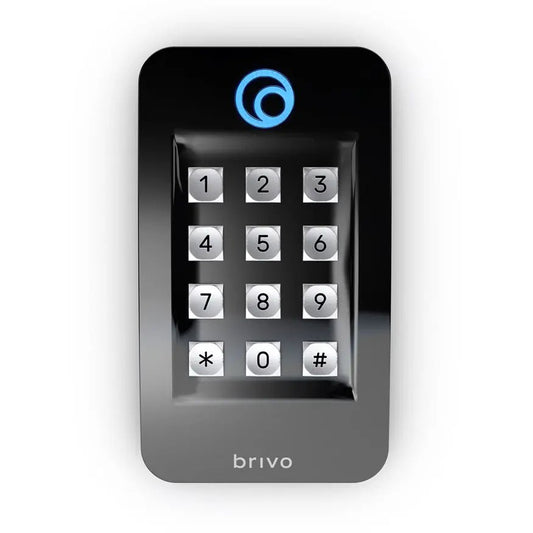
  • Brivo or similar cloud-managed credential control.
  • Fail-safe magnetic lock design.
  • Fail-secure electric strike or latch hardware coordination.
  • Door position monitoring and access audit history.
  • Fire alarm relay tie-in and release testing.
  • Austin Fire permitting and inspection support.
  • Monitoring, service, repair, and future expansion.

IBC 2024 Section 1010.2.13 — controlled egress doors in Groups I-1 and I-2

IBC 2024 Section 1010.2.13 addresses controlled egress doors in Group I-1 and I-2 occupancies. For nursing homes, assisted living, memory care, supervised residential care, and healthcare-type environments, this is the key code concept: controlled egress may be allowed when the clinical needs of persons receiving care require containment.

01

Clinical Need

The controlled egress arrangement must be based on the clinical, cognitive, behavioral, or safety needs of the residents or patients receiving care.

02

Sprinkler or Smoke Detection

The building or protected area must be evaluated for required automatic sprinkler protection or approved smoke detection protection as part of the controlled egress approval.

03

Fire Alarm Release

Controlled egress locks must release as required upon activation of the fire alarm, sprinkler, smoke detection, or approved life-safety system sequence.

04

Loss of Power Release

Fail-safe locking components should release when power to the electrical locking system or lock mechanism is lost, allowing emergency egress.

05

Staff Release Location

A release switch is typically required at the fire command center, nursing station, or other approved location. The switch should directly interrupt power to the controlled lock.

06

One Controlled Door Before Exit

The egress path should be reviewed so occupants are not required to pass through more controlled egress doors than allowed before reaching an exit.

07

Emergency Plan

Unlocking procedures should be included in the facility’s emergency planning and preparedness documents and approved as part of the final design.

08

Staff Credentials

Clinical staff must have keys, codes, credentials, or other approved means necessary to operate the controlled egress locking system.

09

Listed Hardware

Electromagnetic, electromechanical, access control, and special locking components must be listed and installed according to the approved design and manufacturer instructions.

Do not install controlled egress like a normal maglock

A controlled egress door is a life-safety system, not just an access control door. The lock, reader, door contact, power supply, release switch, fire alarm relay, sequence of operation, staff procedure, and AHJ approval all matter.

If a facility installs magnetic locks without the proper fire alarm release, power loss release, staff release, emergency lighting, signage, drawings, or inspection approval, the system can fail final inspection and create a serious life-safety issue.

LifeWorks-style controlled egress design reference

A practical controlled egress project may include multiple perimeter doors with Brivo access control, credentialed entry, credentialed staff-controlled exit, door position monitoring, request-to-exit or release devices, electrically controlled locking hardware, fire alarm tie-in, and central station fire monitoring coordination.

The controlled egress configuration should not be placed into active operation until the fire alarm interface is complete, the door release sequence has been tested, and the Fire Marshal or AHJ has approved the final installation.

Best practice: use fail-safe locks in conjunction with fail-secure hardware

For many nursing home, assisted living, memory care, and behavioral health applications, Avenger Security recommends designing the opening with both fail-safe and fail-secure concepts working together. This provides controlled release while keeping the door mechanically secure and properly latched.

FS

Fail-Safe Magnetic Lock

The fail-safe lock, commonly a magnetic lock, provides the controlled egress hold. It should release on fire alarm activation, required smoke or sprinkler activation, approved staff release, emergency release, and loss of lock power. In many AHJ-approved controlled egress designs, the magnetic lock power is not backed up in a way that would defeat required release on loss of power.

FL

Fail-Secure Door Hardware

The fail-secure hardware keeps the facility secure and the door mechanically latched. This may include an electric strike, electrified lockset, controlled latch retraction, or other approved locking hardware. The facility remains secured with fail-secure hardware while the fail-safe component releases for required egress events.

Why both are often needed

The magnetic lock provides controlled egress release. The fail-secure hardware provides physical security and latching. This dual approach helps avoid relying on one device to do everything and gives the AHJ a clearer sequence of operation for fire alarm release, staff release, power loss, and relock.

Facilities this applies to

Controlled egress is most commonly considered for care environments where the facility is staffed and the residents or patients require supervision, protection, or containment.

01

Nursing Homes

Skilled nursing and long-term care facilities with supervised residents, staff-controlled areas, fire alarm systems, and perimeter safety concerns.

02

Assisted Living Centers

Facilities providing 24-hour supervised residential care where resident safety, visitor control, staff access, and emergency release must be coordinated.

03

Memory Care Units

Alzheimer’s, dementia, and cognitive-care environments where wandering or elopement risk requires controlled egress and staff-managed release.

04

Behavioral Health Facilities

Supervised treatment settings where patient safety, staff safety, and controlled movement must be balanced with fire alarm release and emergency egress.

05

Mental Health Treatment Areas

Areas where ordinary card access is not sufficient because staff may need to control exit under an approved care and emergency procedure.

06

Supervised Residential Care

24/7 staffed care facilities where access control, fire alarm monitoring, resident protection, and AHJ approval must work together.

Austin Fire permit and plan review is required for this type of work

In Austin, controlled egress, magnetic locks, delayed egress, special locking arrangements, and access control that affects egress or fire alarm release should be treated as an Austin Fire / AHJ review item. A permit and plan review package should be expected before active use.

Electrical Locking / Access Control Submittal

Austin Fire may require a plan submittal for electrical locking systems, access control, maglocks, controlled egress, delayed egress, and fire alarm release interfaces.

Fire Alarm Tie-In Drawings

The drawings should show how the fire alarm system releases the fail-safe locking components during alarm activation, required detection events, and power loss conditions.

Sequence of Operation

The submittal should explain how the door operates during credentialed entry, credentialed exit, staff release, nursing station release, emergency release, fire alarm activation, and relock.

Device Cut Sheets

The AHJ may request cut sheets for magnetic locks, electric strikes, Brivo door controllers, readers, power supplies, release switches, fire alarm relays, door contacts, and exit hardware.

Inspection and Testing

Before final approval, each controlled opening should be tested for credential access, staff release, fire alarm release, power loss behavior, door status, and central station monitoring.

Do Not Activate Before Approval

The controlled egress function should remain inactive until the fire alarm interface is complete, the installation is tested, and the Fire Marshal or AHJ approves the final system.

Controlled egress system components

  • Brivo access control or other approved access control platform.
  • Credential readers for entry and staff-controlled exit.
  • Fail-safe magnetic locks for controlled egress release.
  • Fail-secure electric strikes, electrified locksets, or latch hardware.
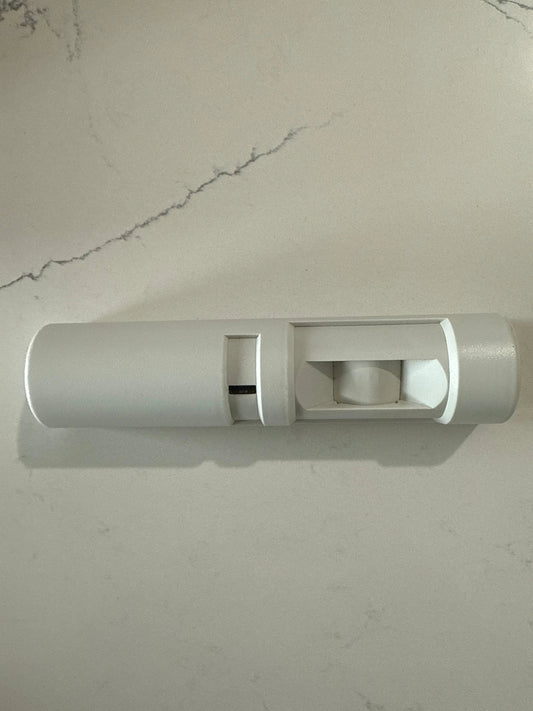
  • Door position sensors for forced-open and held-open events.
  • Request-to-exit, staff release, or approved release devices.
  • Nursing station, fire command center, or approved release switch.
  • Fire alarm relay modules and release wiring.
  • Lock power supplies designed around the approved release sequence.
  • Emergency lighting, signage, and approved emergency procedures.

What Avenger Security can handle

  • Site review and door survey.
  • Controlled egress design and sequence of operation.
  • Access control installation and programming.
  • Fail-safe and fail-secure hardware coordination.
  • Fire alarm system tie-in and release testing.
  • Fire alarm monitoring and central station coordination.
  • Austin Fire permit and plan review support.
  • Resubmittals and Fire Marshal comment response.
  • Final inspection preparation and testing.
  • Ongoing maintenance, service, troubleshooting, and upgrades.

Need help upgrading your local door hardware?

Many controlled egress problems start with the physical door. Before adding access control, the door must close, latch, lock, unlock, and report correctly. Avenger Security can help evaluate local door hardware and coordinate the right upgrade path.

A

Electric Strikes

Fail-secure electric strikes can help keep doors mechanically secure while allowing authorized access through the access control system.

B

Crash Bar Hardware

Panic and exit hardware must be coordinated with the locking sequence, fire exit hardware requirements, and the door’s actual egress function.

C

Magnetic Locks

Fail-safe maglocks must be installed only as part of an approved controlled egress sequence with proper fire alarm release.

D

Door Contacts

Door position sensors provide forced-open, held-open, and door-prop awareness for staff and audit history.

E

Power Supplies

Lock power design must support the approved fail-safe release sequence and not defeat required fire alarm release.

F

Release Switches

Nursing station, fire command center, and approved staff release locations must be considered in the sequence.

G

Readers & Credentials

Staff credentials can manage authorized entry and, where approved, staff-controlled exit from protected areas.

H

Fire Alarm Relays

Fire alarm relay modules must be coordinated with the access control and lock power sequence for AHJ testing.

Our controlled egress project process

Avenger Security approaches controlled egress like a life-safety project, not just an access control installation.

Review facility use and occupancy

We review whether the facility is a nursing home, assisted living, memory care, behavioral health, mental health, supervised residential care, or other care environment where controlled egress may apply.

Survey each controlled door

We inspect the doors, frames, closers, existing locks, crash bars, strikes, fire rating, door contacts, wire paths, power supplies, and current access control equipment.

Design the fail-safe and fail-secure sequence

We determine how the magnetic lock, fail-secure hardware, fire alarm relay, reader, release switch, door contact, and lock power will operate under every required condition.

Prepare permit and plan review support

We help prepare the controlled egress sequence, access control notes, device locations, cut sheets, fire alarm tie-in details, and submittal support for Austin Fire or the applicable AHJ.

Install, program, and test

We install the access control, lock hardware, fire alarm interface, release devices, monitoring components, and door status devices, then test the full sequence before final inspection.

Support inspection and ongoing service

We support Fire Marshal inspection, signal testing, staff handoff, ongoing service, hardware upgrades, monitoring, troubleshooting, and future door additions.

Important code, ADA, and AHJ note

Controlled egress, delayed egress, magnetic locks, fail-safe release, fail-secure hardware, fire alarm tie-in, sprinkler/smoke detection release, emergency lighting, signage, ADA accessibility, staff release, and first responder access must be reviewed for the specific facility.

Final requirements depend on the adopted code, occupancy classification, local amendments, resident care needs, building layout, fire alarm system, sprinkler or smoke detection system, and the authority having jurisdiction. Avenger Security can help coordinate the access control, fire alarm, door hardware, monitoring, permitting, and inspection process.

Frequently asked questions

Can a nursing home or assisted living facility require credentials to leave?

In a qualifying controlled egress care environment, staff credentials, keys, codes, or approved release methods may be used to control exit under the approved sequence. This must be based on resident or patient care needs and approved by the AHJ.

Does controlled egress apply to every assisted living facility?

No. The facility type, occupancy classification, resident needs, staffing, fire protection systems, door location, and AHJ approval all matter. Controlled egress should not be assumed without review.

Why use fail-safe magnetic locks with fail-secure hardware?

The fail-safe magnetic lock provides the controlled egress release function, while the fail-secure hardware keeps the door mechanically secure and latched. Together, they provide a clearer and more reliable sequence for security and life safety.

Should the magnetic lock have battery backup?

Typically, the fail-safe magnetic lock circuit should not be backed up in a way that defeats required release on loss of power. Lock power design must be reviewed and approved for the specific controlled egress sequence and AHJ requirements.

Does the system need to tie into the fire alarm system?

Yes, controlled egress systems commonly require fire alarm, sprinkler, smoke detection, or approved life-safety system interface so the controlled locking component releases during required emergency conditions.

Is an Austin Fire permit required?

For Austin projects involving controlled egress, magnetic locks, delayed egress, electrical locking, or access control that affects egress or fire alarm release, an Austin Fire / AHJ permit and plan review should be expected before the system is placed into active use.

Can Avenger Security help if another contractor started the project?

Yes. Avenger Security can review existing plans, door hardware, fire alarm tie-ins, permit status, rejected comments, installation deficiencies, and inspection issues to help determine the path forward.

Please make contact with Avenger Security before installing controlled egress locks

Need help upgrading your local door hardware, adding controlled egress access control, tying locks into the fire alarm system, preparing for Austin Fire permitting, or fixing a project that is already in trouble? Avenger Security can help.

Contact Avenger Security

Avenger Security provides access control, fire alarm, security alarm, video surveillance, intercom, monitoring, gate access, and low-voltage security services. Controlled egress requirements vary by facility, occupancy, code cycle, local amendment, fire alarm system, resident care needs, and AHJ interpretation. Final design and activation should be approved by the authority having jurisdiction.

```

Contact form