Controlled Egress Access Control for Texas Care Facilities

Controlled Egress • Fire Alarm Tie-In • Access Control • Texas Care Facilities

Access Control for Nursing Homes, Assisted Living, Memory Care & Behavioral Health Facilities

Avenger Security designs, installs, services, and coordinates controlled egress access control systems for Texas care facilities where resident safety, patient protection, staff response, life safety, and code compliance must work together.

These are not ordinary office-door access control projects. Nursing homes, assisted living centers, memory care units, Alzheimer’s care facilities, behavioral health facilities, mental health treatment areas, residential care homes, and supervised-care environments may require specialized locking arrangements, fire alarm integration, AHJ approval, permit submittal, inspection, and documented testing.

Controlled Egress For approved care environments with documented clinical or resident safety needs.
Fail-Secure Hardware Maintains perimeter security while preserving proper mechanical egress design.
Fail-Safe Release Magnetic lock release coordinated with fire alarm, power loss, and AHJ requirements.
Fire Alarm Tie-In Permitting, testing, monitoring, final inspection, and central station support.

Controlled egress must protect residents without ignoring life safety

In a care environment, access control is often used for a different reason than a normal commercial building. The goal may be to reduce elopement risk, protect residents with memory conditions, secure behavioral health areas, prevent unauthorized exits, control visitors, and allow staff to manage the perimeter.

Important language: this is not “taking away ADA rights”

Controlled egress should be presented as an approved life-safety and resident-care design, not as removing ADA or accessibility rights. Doors, gates, exit devices, push buttons, key switches, signage, staff release, fire alarm release, emergency access, and accessible operation must be reviewed as part of the complete design.

The right access control plan balances security, supervision, emergency evacuation, staff response, resident dignity, ADA accessibility, and fire marshal approval.

Avenger Security can coordinate the complete system.

Controlled egress projects often touch several systems at the same time. Avenger Security can help handle the access control, door hardware coordination, fire alarm tie-in, monitoring, permitting support, testing, service, and final AHJ closeout with respect for the facility, residents, staff, and authority having jurisdiction.

  • Access control design and installation.
  • Fail-secure and fail-safe locking hardware coordination.
  • Magnetic lock, electric strike, crash bar, and latch retraction interfaces.
  • Fire alarm tie-in, fire alarm relay, and release testing.
  • Door position monitoring, forced-door alerts, and door-prop alerts.
  • Central station monitoring and emergency response communication.
  • Permit support, plan review response, inspection, and AHJ coordination.

Recommended design concept: fail-secure hardware with fail-safe controlled egress release

For many controlled egress applications, the strongest design is not simply “put a maglock on it.” Avenger Security often recommends combining a secure mechanical door hardware strategy with an approved fail-safe release strategy.

FS

Fail-Secure Door Hardware

Fail-secure hardware is used to help keep the door secure from the outside or protected side when power is removed. Depending on the door, this may include an electric strike, electrified lockset, motorized latch retraction, controlled crash bar hardware, or other approved commercial locking hardware. The goal is security without defeating proper egress and door latching.

MG

Fail-Safe Magnetic Lock / Controlled Egress Release

A fail-safe magnetic lock may be used as part of an AHJ-approved controlled egress or delayed egress design. When properly designed, the magnetic lock releases on required life-safety events, staff release, approved emergency release, power loss, or fire alarm interface conditions as required by the final approved design.

Dual-lock concept used in care-facility controlled egress designs

In some controlled egress projects, the door may use both a fail-safe magnetic locking component and fail-secure mechanical locking hardware. The fail-safe portion is used for controlled egress release logic, while the fail-secure portion keeps the door mechanically secure and properly latched based on the approved sequence of operation.

Key point: the controlled egress portion must be coordinated with the fire alarm system, power loss, staff release, emergency release, signage, AHJ approval, and final inspection. The system should not be placed into controlled egress operation until testing and Fire Marshal / AHJ approval are complete.

Facilities Avenger Security can help

We help care facilities that need controlled entry, controlled exit, staff supervision, resident safety, emergency communication, fire alarm integration, and secure perimeter management.

01

Nursing Homes

Door control, resident safety, staff access, visitor management, fire alarm release, and central station monitoring coordination for skilled nursing and long-term care environments.

02

Assisted Living Centers

Access control for main entrances, staff doors, exterior doors, memory care wings, service entrances, medication rooms, and controlled resident areas.

03

Memory Care & Alzheimer’s Units

Controlled egress, delayed egress, staff release, perimeter security, door-prop alerts, and fire alarm tie-in for areas where wandering or elopement risk must be addressed respectfully.

04

Behavioral Health Facilities

Secure access control planning for supervised treatment environments where staff safety, patient safety, controlled movement, and emergency release must be coordinated.

05

Mental Health Treatment Areas

Door hardware, intercom, camera, access control, and fire alarm release coordination for controlled areas where ordinary commercial door security is not enough.

06

Residential Assisted Living Homes

Practical security, fire alarm monitoring, access control, door hardware review, and AHJ coordination for smaller care homes and residential assisted living properties.

What a controlled egress access control system may include

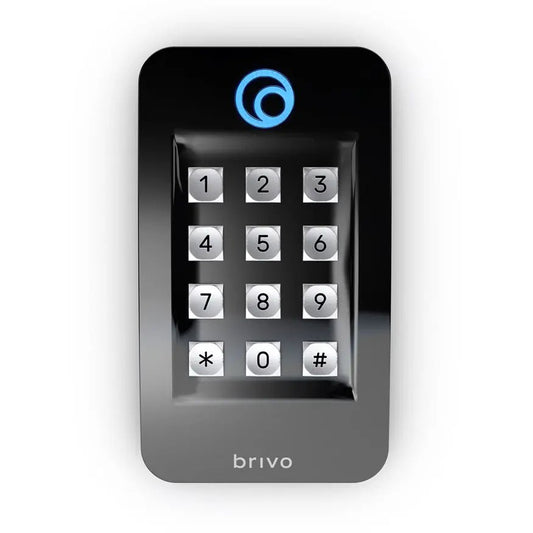
  • Brivo or other cloud-based access control platform.
  • Credentialed access for staff, vendors, administrators, and approved users.
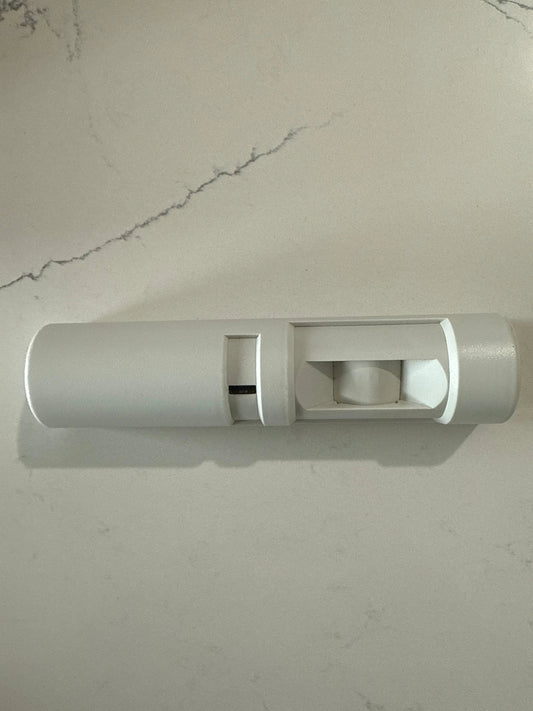
  • Door position monitoring for forced-open and held-open conditions.
  • Request-to-exit devices where required by the approved sequence.
  • Fail-secure electric strikes, electrified locksets, or latch retraction hardware.
  • Fail-safe magnetic locks where approved for controlled egress release.
  • Emergency release buttons, staff release stations, and key-switch release where required.
  • Fire alarm relay tie-in to release controlled egress components on alarm.
  • Central station fire monitoring and emergency response dispatch.
  • Intercom, camera, and audio communication at controlled doors.

Critical life-safety items to verify

  • Does the door serve a required means of egress?
  • Is the facility classified as assisted living, nursing, memory care, behavioral health, or another occupancy?
  • Is the door fire-rated, smoke-rated, or part of a protected corridor?
  • Will the locking arrangement require fire alarm or sprinkler interface?
  • Does the door need to unlock on fire alarm, smoke detection, sprinkler flow, or power failure?
  • Is emergency lighting and required signage needed at the door?
  • Can staff readily release the door from an approved location?
  • Does the Fire Marshal / AHJ require plans, permit, inspection, or sequence of operation documentation?
  • Is the door hardware ADA-compliant and accessible for the final approved use?
  • How will first responders gain access through a Knox Box, key switch, fire department override, or approved procedure?

Permitting, AHJ review, and fire alarm system tie-in

Controlled egress work should be treated as a fire/life-safety coordination project, not just an access control installation. When a project involves magnetic locks, delayed egress, controlled egress, fire-rated doors, fire alarm release, sprinkler release, emergency egress, or special locking arrangements, the local AHJ or Fire Marshal may require a plan submittal, permit, inspection, and approved sequence of operation.

1. Design & sequence of operation

The submittal should clearly explain how each door locks, unlocks, releases, alarms, relocks, reports, and responds during normal access, staff release, fire alarm, power loss, and emergency conditions.

2. Fire alarm interface

Controlled egress locks may require direct interface with the building fire alarm system, sprinkler system, smoke detection system, or approved fire alarm relay so the doors release as required.

3. Permit and plan review

The AHJ may require access control drawings, fire alarm drawings, device cut sheets, door hardware details, relay diagrams, floor plans, lock power details, and written operating sequence.

4. Licensed fire alarm work

If the project modifies or interfaces with the fire alarm system, the fire alarm portion should be handled by a properly licensed fire alarm company with the required State Fire Marshal credentials.

5. Testing and inspection

Each controlled opening should be tested for credential access, staff release, fire alarm release, power loss behavior, door status reporting, emergency access, and relock operation.

6. Final approval before use

The controlled egress configuration should not be placed into active resident or patient control until the fire alarm interface, access control operation, and AHJ inspection are complete.

Why Avenger Security is different for controlled egress projects

Many companies can install a reader. Controlled egress in a care facility requires more discipline. The door hardware, fire alarm, access control, intercom, cameras, monitoring, permitting, and staff workflow all have to work together.

A

Access Control

Door controllers, readers, credentials, schedules, door position monitoring, forced-door events, door-prop events, audit history, and staff access groups.

B

Door Hardware

Electric strikes, fail-secure locks, fail-safe maglocks, crash bars, latch retraction, request-to-exit, door contacts, relays, and lock power supplies.

C

Fire Alarm Tie-In

Fire alarm interface, relay modules, programming, central station monitoring, testing, fire final, documentation, and AHJ coordination.

D

Monitoring & Response

Fire alarm monitoring, supervisory signals, troubles, access events, door alarms, camera verification, and response procedures.

Example controlled egress scope

A typical care-facility controlled egress project may include multiple perimeter doors with cloud access control, credentialed staff access, door position monitoring, request-to-exit devices, electrically controlled locking hardware, and fire alarm integration.

The controlled egress doors may be designed to provide an audit trail and controlled perimeter security while releasing the controlled portion upon fire alarm activation, sprinkler/smoke interface, power loss, staff release, or other approved sequence as required by the AHJ.

Do not activate before approval

Controlled egress should remain inactive until the fire alarm interface has been installed, programmed, tested, and approved through final inspection.

Avenger Security can help the facility coordinate the access control installation, fire alarm interface, central station monitoring, permit documentation, device testing, staff handoff, and final Fire Marshal / AHJ approval.

Our controlled egress project process

Avenger Security approaches care-facility access control with the same discipline used on life-safety projects: survey, design, documentation, permitting, installation, testing, inspection, and support.

Facility walkthrough and door survey

We review each controlled opening, existing door hardware, fire alarm panel, sprinkler/smoke detection interface, network availability, power source, staff workflow, resident-care concerns, and emergency response access.

Controlled egress design

We determine which doors need fail-secure hardware, which openings may require fail-safe magnetic release, what door status monitoring is needed, and how staff should release or respond to each door.

Fire alarm and access control coordination

We coordinate the access control sequence with the fire alarm system, required relay modules, alarm release logic, central station monitoring, and emergency response requirements.

Permit package and AHJ communication

Where required, Avenger Security can help prepare drawings, device locations, lock sequence, cut sheets, fire alarm interface notes, and inspection support for the Fire Marshal or AHJ.

Installation and programming

We install the access control hardware, door contacts, readers, relays, lock power supplies, fire alarm interface equipment, intercom/camera options, and system programming.

Testing, training, and final approval

We test access, egress, staff release, fire alarm release, power loss behavior, door alarms, monitoring signals, emergency response procedures, and staff operation before final handoff.

Related systems Avenger Security can provide

Controlled egress rarely stands alone. Avenger Security can help with the surrounding systems that make the facility safer, more serviceable, and easier for staff to manage.

01

Fire Alarm Systems

Fire alarm design, repair, monitoring, communicator upgrades, annual inspections, device testing, fire alarm relays, and final inspection coordination.

02

Security Alarm Systems

Intrusion detection, panic buttons, staff duress options, alarm monitoring, cellular communication, and emergency response dispatch.

03

Video Surveillance

Cameras at controlled doors, corridors, exterior approaches, gates, parking areas, medication rooms, common areas, and entry/exit points.

04

Intercom & Visitor Entry

Video intercoms, door stations, gate stations, master stations, visitor verification, remote door release, and staff communication.

05

Gate Access Control

Controlled vehicle gates, pedestrian gates, key switches, Knox access coordination, relay control, gate intercoms, and visitor access.

06

Ongoing Service

Troubleshooting, door hardware repair coordination, access changes, fire alarm testing, inspection support, monitoring updates, and system expansion.

Important code and resident-care note

Controlled egress, delayed egress, magnetic locks, fail-secure locks, fire alarm release, sprinkler release, staff release, power loss behavior, signage, emergency lighting, ADA accessibility, first responder access, and final inspection requirements vary by facility type, resident condition, occupancy classification, adopted code, local amendments, and AHJ interpretation.

Avenger Security can help evaluate the system and coordinate the access control, fire alarm, door hardware, monitoring, permitting, and inspection process. Final approval belongs to the authority having jurisdiction and the facility’s applicable regulatory requirements.

Frequently asked questions

Common questions from nursing homes, assisted living centers, memory care facilities, behavioral health operators, architects, general contractors, and facility managers.

What is controlled egress?

Controlled egress is a special locking arrangement used in approved care environments where the clinical or safety needs of residents or patients require controlled exit from certain areas. It must be designed around life safety, staff release, emergency release, fire alarm release, and AHJ approval.

Is controlled egress the same as delayed egress?

No. Delayed egress typically delays exit for a defined period after someone attempts to exit. Controlled egress may keep doors locked until released by staff, fire alarm, power loss, or an approved emergency sequence. The correct design depends on the facility, door, occupancy, code, and AHJ approval.

Why use fail-secure hardware with a fail-safe magnetic lock?

A dual strategy can provide both security and life-safety release. Fail-secure hardware helps maintain mechanical security and latching, while the fail-safe magnetic lock can provide controlled egress release when the approved sequence requires it.

Does a controlled egress door need to tie into the fire alarm system?

Many controlled egress, delayed egress, and magnetic lock applications require fire alarm, sprinkler, smoke detection, or approved emergency release interface. The exact requirements must be confirmed with the AHJ and the adopted code for the facility.

Does this type of work require a permit?

It may. If the project involves controlled egress, delayed egress, magnetic locks, modification of the fire alarm system, fire-rated doors, sprinkler/fire alarm release, or special locking arrangements, the Fire Marshal or AHJ may require plan review, permit, inspection, and written sequence of operation documentation.

Can Avenger Security handle the fire alarm and access control together?

Yes. Avenger Security can help coordinate the access control system, fire alarm interface, monitoring, door hardware, relay logic, inspection support, and AHJ closeout so the complete system is designed and tested together.

Can Avenger Security help an existing facility that already has locks installed?

Yes. We can review existing magnetic locks, electric strikes, fire alarm relays, power supplies, door contacts, emergency release buttons, signage, monitoring, and access control programming to help identify what should be corrected or brought into alignment with the approved design.

Need controlled egress access control for a Texas care facility?

Avenger Security can help nursing homes, assisted living centers, memory care facilities, behavioral health facilities, and residential care homes design a respectful, code-conscious access control system with fire alarm tie-in, permitting support, monitoring, inspection, and ongoing service.

Schedule a Facility Review

Avenger Security provides access control, fire alarm, security alarm, video surveillance, intercom, gate access, monitoring, and low-voltage security services. Controlled egress and delayed egress requirements vary by facility, occupancy, code cycle, local amendments, resident care needs, and AHJ interpretation. Final design and activation should be approved by the applicable authority having jurisdiction.

```

Contact form