Multi-Tenant Access Control • Shared Spaces • Suites • Gates • Elevators
Access Control for Multi-Tenant Shared Spaces in Texas
Avenger Security helps multi-tenant buildings, coworking spaces, shared offices, executive suites, commercial condos, shared warehouses, business centers, medical office suites, and mixed-use properties control who can access doors, suites, gates, elevators, storage rooms, and common areas.
Standard access control is one of the best upgrades for shared spaces because tenants change, employees change, vendors change, and keys are hard to recover. A cloud-managed access control system gives the property owner or manager the ability to add, remove, schedule, and audit access without rekeying the entire building every time someone moves out.
Tenant TurnoverAdd, remove, and change access without chasing physical keys.
Shared Common AreasControl lobbies, conference rooms, gyms, storage, mail, and amenities.
Audit TrailKnow which credential accessed which door and when.
Standard EgressSecure from outside while preserving free egress from inside.
Shared buildings need access control that is easy to manage
In a single-tenant building, one company can usually manage keys internally. In a multi-tenant shared building, access is more complicated. Multiple businesses may share the same entrance, parking gate, elevator, restrooms, storage areas, conference rooms, package room, and after-hours schedule.
The goal is simple
Give each tenant, employee, vendor, and authorized user only the access they need, only during the times they need it, while keeping doors safe for egress at all times.
Standard access control helps replace unmanaged keys with card, fob, PIN, or mobile credentials that can be issued, suspended, deleted, or scheduled from a cloud-managed platform.
Avenger Security can design the complete access plan.
We do not just install readers. We review the door hardware, lock type, tenant workflow, common areas, gate access, elevator control, after-hours use, visitor entry, video needs, and long-term management plan.
- Brivo cloud access control.
- Card, fob, PIN, and mobile credentials.
- Suite, lobby, gate, elevator, and common-area access.
- Fail-secure electric strikes and commercial door hardware.
- Door position monitoring for forced-open and held-open events.
- Tenant access groups, schedules, and audit reports.
- Visitor, vendor, cleaning crew, and after-hours access workflows.
Access control areas for multi-tenant shared spaces
Every shared property is different. Avenger Security can help determine which openings should be controlled, which should remain mechanical, and which should include door monitoring or video verification.
01
Main Building Entrances
Control the front door, side doors, rear doors, and after-hours entrances so tenants can enter without leaving the entire building unlocked.
02
Individual Tenant Suites
Give each tenant control over their own suite while allowing building ownership or management to maintain administrative oversight when appropriate.
03
Conference Rooms
Restrict conference rooms, training rooms, meeting rooms, podcast rooms, or shared classrooms by schedule, reservation, tenant group, or authorized user list.
04
Shared Amenities
Control gyms, lounges, kitchens, coworking areas, break rooms, restrooms, package rooms, mail rooms, and other shared amenities.
05
Gates and Parking
Manage vehicle gates, pedestrian gates, parking garages, staff lots, loading areas, and restricted exterior access points.
06
Elevators and Floors
Control elevator access by floor or tenant area where the elevator system and AHJ requirements support the design.
07
Storage and Mechanical Rooms
Secure IT rooms, electrical rooms, janitorial closets, storage cages, mechanical rooms, maintenance areas, and owner-only spaces.
08
Shared Warehouse Areas
Control warehouse entrances, dock doors, tool rooms, inventory cages, equipment rooms, loading doors, and shared industrial spaces.
09
Visitor and Delivery Access
Add intercoms, temporary credentials, scheduled PINs, video verification, or staff release for visitors, delivery drivers, cleaning crews, vendors, and contractors.
Why standard access control works well for shared buildings
Standard access control lets the property control entry without creating a special controlled-egress condition. For most shared commercial spaces, the proper design is to secure the door from the outside while maintaining normal free egress from the inside.
- Replace unmanaged keys with credentials.
- Remove access immediately when a tenant, employee, or vendor leaves.
- Create access groups by tenant, role, building, floor, suite, or schedule.
- Review access history when a problem occurs.
- Control after-hours building access.
- Limit vendors and cleaning crews to approved time windows.
- Reduce rekeying costs when tenants move in or out.
This is standard access control, not controlled egress
For standard multi-tenant spaces, users should be able to exit freely from the inside. Credentials are normally used to enter the building, suite, gate, elevator, or restricted area — not to trap people inside or prevent lawful egress.
If a project involves magnetic locks, delayed egress, controlled egress, stairwell locking, fire alarm release, or special locking arrangements, Avenger Security can help review whether permitting or Fire Marshal coordination is required.
Credential management for tenants, staff, vendors, and visitors
A good multi-tenant access control system should make it simple to manage people. The property should not be stuck rekeying doors every time a tenant hires someone, fires someone, moves out, or loses a key.
A
Tenant Admins
Allow tenant managers to request or manage access for their own employees based on the agreed building policy.
B
Employees
Issue access by suite, floor, entrance, schedule, and common-area permission level.
C
Cleaning Crews
Limit cleaning and janitorial access to approved doors and approved after-hours schedules.
D
Vendors
Provide controlled access for maintenance, delivery, IT, HVAC, construction, and service vendors.
E
Visitors
Use intercom, temporary access, front desk release, visitor PINs, or tenant approval workflows.
F
Property Managers
Maintain top-level access to common areas, service rooms, emergencies, and building management functions.
G
After-Hours Users
Allow approved tenants to enter outside business hours without leaving the entire building unlocked.
H
Terminated Users
Delete or suspend access immediately instead of hoping a physical key gets returned.
Brivo access control for shared commercial buildings
Avenger Security has worked with Brivo access control for over a decade. Brivo is a strong option for multi-tenant spaces because the property can manage users, credentials, doors, schedules, events, and multi-site access from a cloud-based platform.
Cloud Credential Management
Add, remove, suspend, and schedule cards, fobs, PINs, and mobile credentials without needing to physically rekey the building.
Door Groups and Schedules
Create access groups for each tenant, floor, suite, common area, after-hours group, vendor, or property management team.
Audit Trail and Reporting
Review who accessed a door, when the event happened, which credential was used, and whether the door was forced or held open.
Mobile Credentials
Reduce dependence on physical cards and fobs by offering smartphone-based access where the selected reader and credential design supports it.
Video and Visitor Integration
Pair access events with video, visitor workflows, intercoms, or lobby procedures where the building needs more accountability.
Multi-Site Management
Manage access across multiple shared buildings, business centers, office parks, or commercial properties from a standardized platform.
Recommended door hardware for shared spaces
In standard access control, Avenger Security generally prefers fail-secure commercial door hardware where appropriate. The door should stay secure from the outside while allowing normal egress from the inside through the existing lever, panic hardware, crash bar, or approved exit device.
- Fail-secure electric strikes.
- Electrified locksets.
- Motorized latch retraction for crash bar doors.
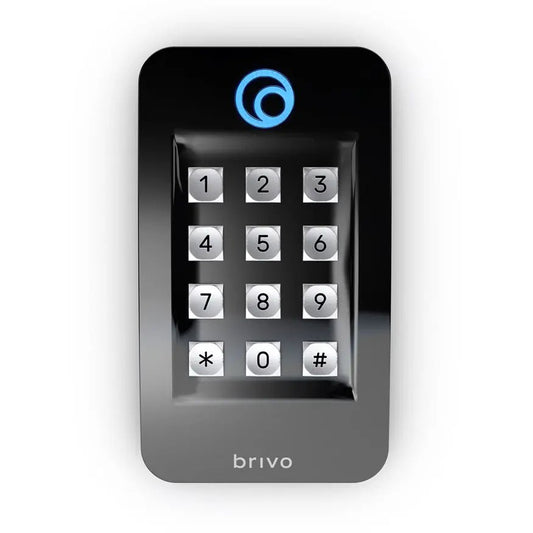
- Commercial-grade card, fob, PIN, or mobile readers.
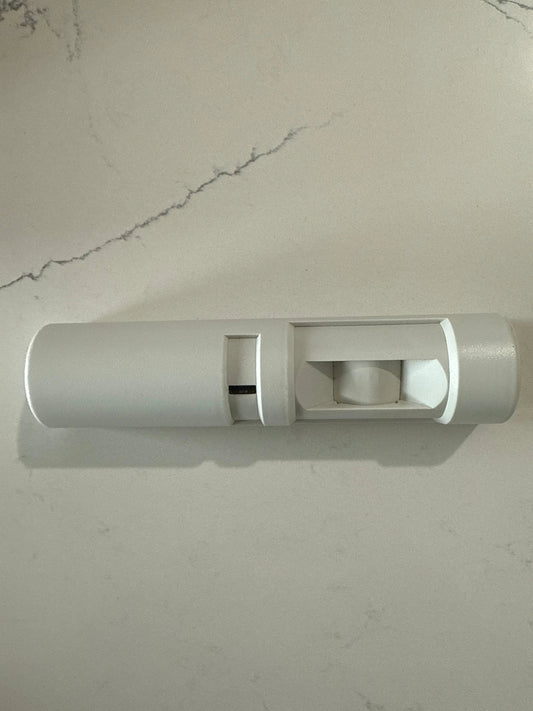
- Door position sensors for forced-open and held-open reporting.
- Request-to-exit devices where required by the door design.
- Lock power supplies, relay boards, and battery backup where appropriate.
- Gate relays and elevator interfaces where approved.
Common problems we correct
- Tenants still using old mechanical keys.
- Former employees still having access.
- Everyone having access to every door.
- No audit trail for after-hours building entry.
- Common areas left unlocked for convenience.
- Doors that do not close or latch reliably.
- Access readers installed without door position monitoring.
- Gate access not coordinated with tenant credentials.
- Multiple systems that do not share users or schedules.
- Property managers unable to remove access quickly.
Access control design layers for multi-tenant buildings
The best system uses clear layers. The property should know what belongs to building management, what belongs to the tenant, what should be shared, and what should be restricted.
1
Building Perimeter
Main entry, side entry, rear entry, parking gate, garage, lobby, and after-hours access.
2
Tenant Spaces
Suite doors, office doors, private work areas, and tenant-only storage spaces.
3
Shared Amenities
Conference rooms, kitchens, gyms, lounges, restrooms, package rooms, and meeting spaces.
4
Restricted Areas
IT closets, electrical rooms, mechanical rooms, records rooms, owner areas, and maintenance rooms.
5
Visitor Flow
Intercoms, lobby release, temporary access, front desk approval, and tenant visitor policies.
6
Vendor Access
Cleaning, delivery, repair, IT, HVAC, janitorial, and property service access windows.
7
Audit Trail
Event history for doors, users, credentials, forced-open events, and held-open events.
8
Management Control
Property-level administration, tenant-level permissions, emergency access, and service support.
Permit and life-safety note
Most standard access control projects are designed to keep the door locked from the outside while allowing normal free egress from the inside. However, the permit path can change if the project involves magnetic locks, delayed egress, controlled egress, stair door locking, elevator control, fire alarm release, rated openings, or special locking arrangements.
Avenger Security can help review the door hardware, egress requirements, fire alarm interface, gate safety, elevator interface, ADA concerns, and AHJ expectations before work begins.
Need help with Austin Fire permitting or access control plan review?
Our multi-tenant access control process
Avenger Security starts with how the property is used, then designs the access control system around the doors, tenants, schedules, hardware, gates, elevators, and management needs.
Review the property layout
We review entrances, suites, common areas, gates, elevators, restricted rooms, tenant workflow, existing locks, cameras, intercoms, and management procedures.
Identify tenant access groups
We define how tenants, employees, vendors, visitors, cleaning crews, and property managers should access each door or area.
Survey doors and hardware
We inspect door closers, frames, strikes, crash bars, locksets, wire paths, power locations, reader locations, and door condition before recommending hardware.
Design the system
We design the controllers, readers, credentials, schedules, door contacts, REX devices, lock power, gate relays, elevator interfaces, intercoms, and video needs.
Install, program, and test
We install the equipment, program users and groups, test doors, verify event history, confirm schedules, and check forced-open and held-open reporting where installed.
Train and support management
We help property managers understand credential changes, tenant turnover, reporting, access schedules, mobile credentials, and future expansion.
Frequently asked questions
What type of access control is best for multi-tenant shared spaces?
Cloud-managed access control is usually the best fit because tenants and users change often. The property can add, remove, schedule, and audit access without rekeying the entire building.
Can each tenant have different access permissions?
Yes. Access can be grouped by tenant, suite, floor, building, role, schedule, door, gate, or common area depending on how the system is designed.
Can tenants use mobile credentials?
Yes. Depending on the platform and reader selection, tenants may use mobile credentials in addition to cards, fobs, or PINs.
Can access control work on gates and elevators?
Yes. Gates and elevators can often be integrated with the access control system when the hardware, relay logic, life-safety requirements, and AHJ requirements support the design.
Do users need a credential to leave?
For standard multi-tenant access control, users normally need credentials to enter, not to leave. The inside of the door should allow normal free egress unless a special AHJ-approved locking design applies.
Does standard access control require a permit?
It depends on the door, lock type, building, and local AHJ. Standard fail-secure access control may be straightforward, while magnetic locks, delayed egress, controlled egress, stair door locking, or fire alarm release may require plan review and inspection.
Can Avenger Security take over an existing Brivo or access control system?
Yes. Avenger Security can review existing access control equipment, readers, wiring, door hardware, credentials, users, schedules, account status, and service issues to determine a takeover or upgrade path.
Need access control for a multi-tenant shared space?
Avenger Security can help design, install, service, or upgrade access control for shared offices, coworking spaces, commercial suites, business centers, mixed-use buildings, shared warehouses, gates, elevators, common areas, and restricted rooms.
Contact Avenger Security
Avenger Security provides access control, Brivo service, intercom, video surveillance, security alarm, fire alarm, gate access, monitoring, and low-voltage security services. Final door hardware, egress, ADA, fire alarm, elevator, gate, and permitting requirements should be confirmed based on the specific property, occupancy, door use, and authority having jurisdiction.